How many miles is too many for a used car?
For most cars, the trouble starts past 200,000 miles: that's where the share of cars listed as needing repairs climbs fastest. Below about 150,000, the car's age and how it was maintained matter more than the odometer. The numbers in this guide come from Carbeam's analysis of cars listed by private sellers on Facebook Marketplace and Craigslist.
 Updated · 13 min read
What is considered high mileage for a car?
- Typical mileage: the cars for sale have about 12,000 miles for each year since they went on sale. Under about 9,000 a year is low mileage, and over about 15,000 is high.
- Under 150,000 miles, judge the car by its condition and service records more than by the number.
- 150,000 to 200,000 is fine for an older car that was looked after and is priced for its miles.
- Past 200,000, repairs get much more likely: buy on the price and the records.
- At any mileage, check the service records and what maintenance is due, get an independent inspection, and add the cost of upcoming work to the price. See what to check.
The old rule is that a car does 12,000 to 15,000 miles a year, so anything over that is high mileage. It's a fine starting point, but it doesn't describe the cars that are actually for sale.
The average used car a private seller lists (the median) has 140,000 miles on it. But mileage only means something next to the car's age. Here's the typical mileage of the cars listed for each model year:
Recent models for sale average about 12,800 miles a year since they went on sale. Older cars for sale have lower lifetime averages: about 12,000 miles a year for a 2017 model, and 8,100 for a 2006. By about 20 years old, most cars for sale have 170,000 to 180,000 miles, and the number stops climbing: the 20-year-old cars still for sale are the ones that survived.
So how many miles is a lot for a car depends on its age: "high mileage" is more miles than most cars of the same age. To compare a car you're looking at with others of its year, enter its year and mileage:
- Below the median for a 2015 model, which is 138,000 miles. This car has fewer miles than 66% of the 2015 cars listed by private sellers. Half of them have between 108,000 and 168,000 miles.
- That's about 9,700 miles a year since the 2015 model went on sale.
- Of the 2015 cars listed with 100k–150k miles, 6.7% were listed as needing mechanical work or not running.
What is good mileage for a used car?
Good mileage for a car is at or below what's typical for its age: about 12,000 miles for each year since it went on sale, or fewer. Among the cars for sale, the median 2022 model has 66,000 miles and the median 2017 has 124,000: both about 12,000 a year. A car with more miles than that can still be a good buy if it was maintained and the price allows for them: see how mileage affects a car's value.
About the data. Our AI reads each listing's text and photos to tell dealers from private sellers and to see whether the seller says the car needs repairs or doesn't run. Cars listed by dealers are left out for this page.
Is 100,000, 150,000 or 200,000 miles too many?
There's no set number of miles that's too much for a used car. The risk climbs gradually, and more steeply past 200,000. Here's the share listed as needing mechanical work or not running for cars from model years 2014 to 2018, the years most used cars for sale come from:
100k miles
Not anymore. 74% of the cars private sellers list have more than 100,000 miles, so ruling them out rules out most of the market, and most of the cheap cars. The number used to matter because older engines wore out sooner. Today it matters mostly for maintenance: timing belts, spark plugs and transmission fluid are often due around there, so ask whether they've been done.
150k miles
Fine for a car that's 10 years old or more, if it was looked after. In the chart above, the share needing work goes from 5.9% to 9.9% between 100,000 and 200,000 miles: the risk goes up, but most of these cars still run fine. On a five-year-old car, 150,000 miles is unusual: ask how it got them.
200k miles
This is where it changes. The share needing repairs jumps to 17% at 200,000 to 250,000 miles, and 24% past 250,000. That's about 1 in 4. Some models handle it well, though, and a 200,000-mile car can still be the right buy if the price reflects it: see which cars last.
The pattern is the same at every age. Older cars need work more often at any mileage, so compare a car with others of its age:
| Model years | 50k–100k | 100k–150k | 150k–200k | 200k–250k | 250k+ |
|---|---|---|---|---|---|
| 2019–2023 | 1.2% | 2.3% | 4.4% | 7.4% | – |
| 2014–2018 | 3.3% | 5.9% | 9.9% | 17% | 24% |
| 2009–2013 | 7.5% | 11% | 15% | 21% | 28% |
| 1997–2008 | 14% | 21% | 23% | 27% | 35% |
One thing to keep in mind: people sell cars when something's about to go wrong, so the cars for sale break more often than the cars on the road. That's why the numbers are best used to compare one mileage with another, not as the odds for one car.
When low mileage is a warning
Low mileage is usually good. On an older car, very low mileage deserves a question. Among cars from model years 2018 and older, the ones listed with under 50,000 miles are roughly twice as likely to need repairs as those with 50,000 to 100,000. Newer cars don't show this.
A few things explain it:
- It sat. A car that hardly moves for years dries out its seals and tires, and its battery and fuel system suffer.
- The odometer isn't original. If a replaced odometer can't be set to the car's real mileage, federal law says it's set to zero, with a sticker on the driver's door frame giving the mileage before the change (49 U.S.C. § 32704). Look for that sticker.
- The odometer was rolled back. Odometer rollback makes a car show fewer miles than it has done, and it's fraud. To tell if an odometer has been rolled back, check that the readings in the vehicle history report only go up, compare it with oil-change stickers and service records, and look for wear on the pedals, steering wheel and driver's seat that doesn't fit the miles.
- The mileage is wrong in the ad. On Facebook Marketplace the seller types the mileage into a box, and it's easy to drop a digit: one F-150 ad we found says "only 131,000 miles" in its description and 13,200 in the box.
So read the description, not just the mileage box. A vehicle history report shows the mileage at each inspection and sale, so it catches most of these. If the mileage is unusually low for the year, ask for the service records too.
How much does mileage affect a car's value?
Within the same model and model year, every 10,000 extra miles takes about $300 off the asking price, or 3.9% of it: about 3 cents of depreciation per mile. The more a car is worth, the more each mile costs: about $470 per 10,000 miles on a 2014 Ford F-150, against $100 on a 2008 Honda Accord.
Every 50,000 miles up to 250,000 takes about $2,500 to $2,800 off the truck's asking price, and $900 to $1,800 off the Civic's. With 200,000 to 250,000 miles, the truck is listed for about 43% less than with 100,000 to 150,000, and the Civic for 31% less. Past 250,000 the truck's price stops falling much: by then it's priced as a work truck.
If you're buying to resell, whether the car runs matters far more than its miles: one that needs repairs is listed for about 45% less than the same car running. See how much cheaper cars that need repairs are.
Within the same asking-price band, high-mileage cars disappeared about as fast as low-mileage ones. Here's the share of running cars that were gone within about three days of being listed:
| Price | Under 100k | 100k–150k | 150k–200k | 200k+ |
|---|---|---|---|---|
| Under $5k | 33% | 38% | 38% | 36% |
| $5–10k | 23% | 25% | 24% | 23% |
| $10–20k | 16% | 16% | 20% | 18% |
Within these price bands, listings with more miles went at about the same rate as those with fewer. That doesn't mean they're the same value or cost the same to own, but it suggests buyers take the miles into account through the price. What matters is whether the price is right for the mileage, not the mileage on its own.
How many miles does a car last?
Most cars can reach 200,000 miles if they're looked after. About three in four private-seller cars listed with 200,000 miles or more still run: that's 74% across the 90 models with at least 300 such cars. The ones that last longest go much further: one in ten running Toyota 4Runners for sale has more than 275,000 miles.
There's no single average lifespan of a car, but plenty last 25 to 30 years and more. Private sellers listed 42,145 cars from model years 1996 to 2001 in the first half of November 2026, and 70% of them still run.
Which cars last past 200,000 miles
Some models do much better than average. These are the ones whose high-mileage cars most often still run:
| Model | Past 200k | Of those, still running |
|---|---|---|
 Toyota Tacoma | 27%of its listings | 86% |
 Toyota Corolla | 21%of its listings | 86% |
 Toyota Highlander | 22%of its listings | 85% |
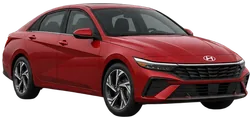 Hyundai Elantra | 8.8%of its listings | 85% |
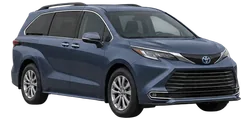 Toyota Sienna | 30%of its listings | 84% |
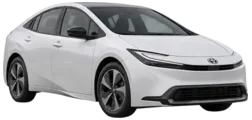 Toyota Prius | 37%of its listings | 83% |
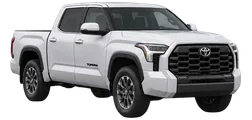 Toyota Tundra | 34%of its listings | 82% |
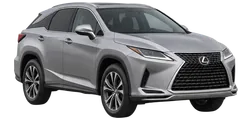 Lexus RX | 24%of its listings | 81% |
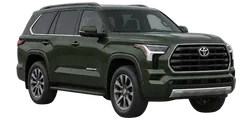 Toyota Sequoia | 53%of its listings | 81% |
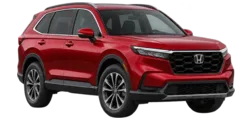 Honda CR-V | 22%of its listings | 81% |
Toyota fills most of the list: the Tacoma, Corolla, Highlander, Sienna, Prius and Tundra all run past 200,000 miles more than four times in five. Toyotas like the Sequoia and Prius also have the most cars past 200,000 of all, a third to a half of their listings.
At the other end are the Volkswagen Jetta, BMW 3 Series, Chevrolet Impala, Jeep Grand Cherokee, Subaru Forester and Chevrolet Equinox: only 51% to 65% of theirs still run. We left out models whose listings are mostly from before 2010, since old age explains a lot of theirs.
A model that rarely shows up past 200,000 miles isn't necessarily short-lived: it may just be newer, or driven less. And how long a car lasts still depends most on the one you're looking at: a well-kept Equinox beats a neglected 4Runner.
Buying a high-mileage car: what matters more than the odometer
Two cars with the same mileage can be very different buys. Before you decide the miles are too many, check these:
- 1Service recordsRegular oil changes and the big jobs done on time matter more than any mileage. A 200,000-mile car with a folder of receipts can be a better buy than an 80,000-mile one with none.
- 2The jobs due at this mileageTiming belt, water pump, spark plugs, transmission fluid. If they're due and haven't been done, take their cost off your offer.
- 3Highway or city milesHighway miles are easier on a car than stop-and-go driving. A long commute explains high mileage on a young car; a delivery job explains it in a worse way. Ask what the car was used for.
- 4Rust and the climateIn states that salt the roads, rust can end a car's life before its engine does. Look under it, at the frame and the brake lines.
- 5The mileage historyA vehicle history report lists the odometer reading at each inspection and sale. It should only go up, and at a steady pace.
Then have a mechanic look at it before you pay. For a high-mileage car, a pre-purchase inspection is the best $100 to $200 you'll spend.
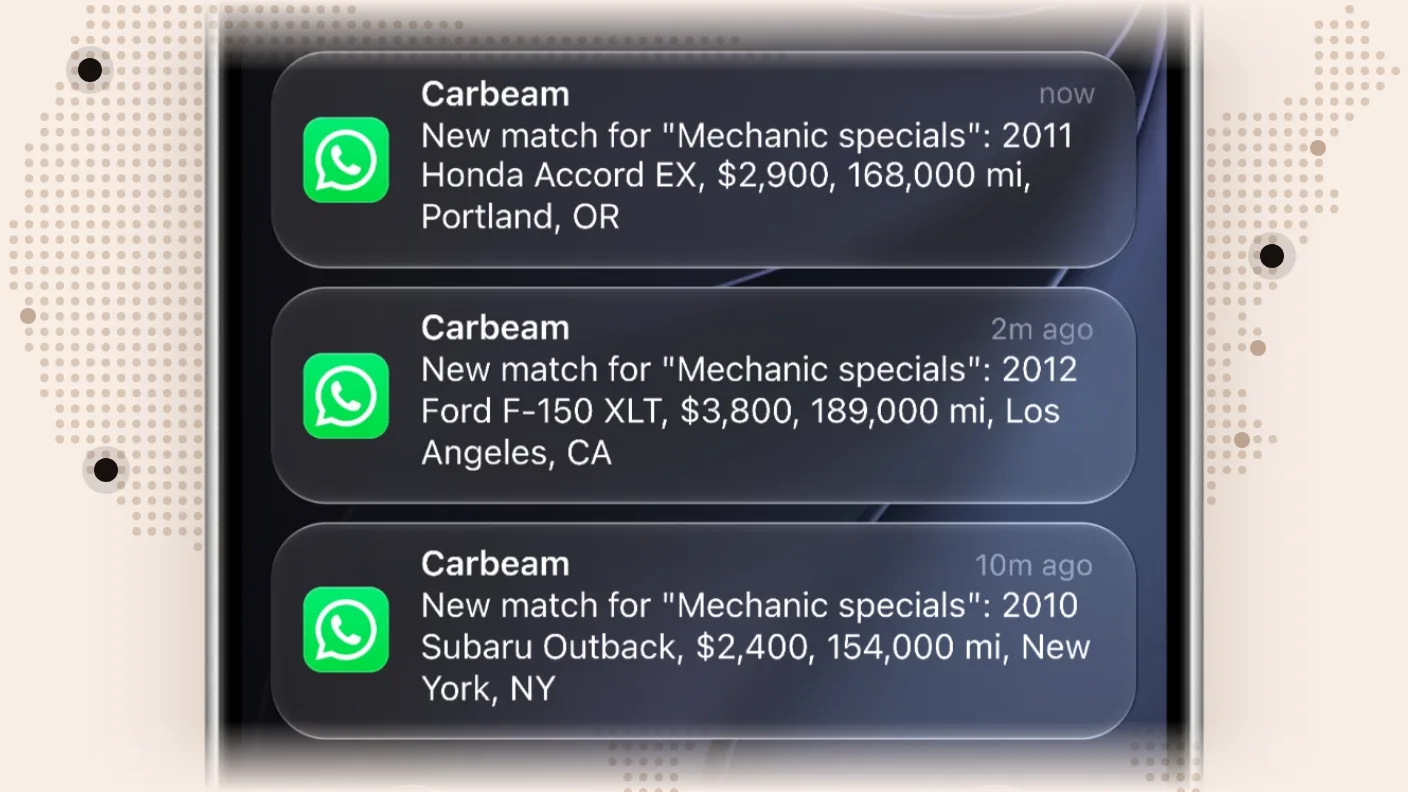
To find the cars worth inspecting, Carbeam reads every new car listing on Facebook Marketplace and Craigslist, the mileage in the description included, and alerts you when one matches your mileage limit, price and area.